
How to Choose a Notebook You’ll Actually Use
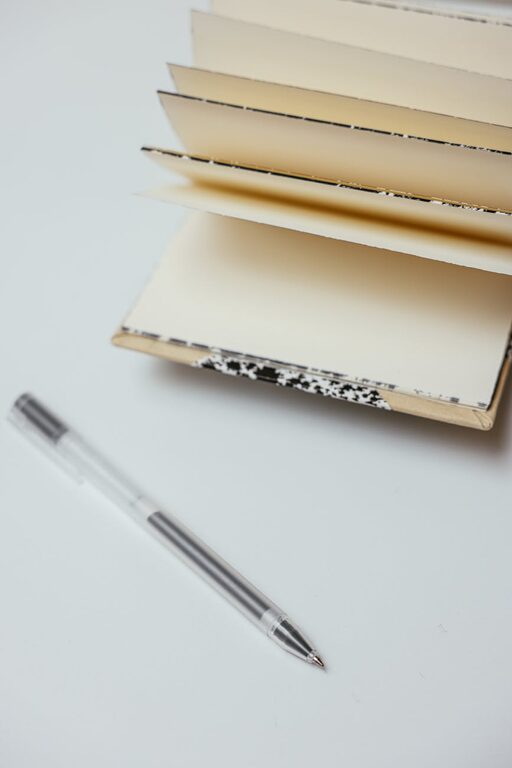
Choosing the right notebook can make a big difference in how often you use it and how enjoyable the writing experience is. With so many options available, it’s easy to feel overwhelmed and end up with a notebook that stays untouched. Whether you want to journal, plan your day, take meeting notes, or sketch, the right notebook will encourage you to develop consistent habits.
In this post, we’ll guide you through key factors to consider when selecting a notebook that suits your needs and lifestyle.
Why Choosing the Right Notebook Matters
A notebook isn’t just a collection of blank pages; it’s a tool that supports your creativity, organization, and productivity. Using a notebook that feels right can motivate you to write more often and stay organized. On the other hand, a notebook that doesn’t fit your style may discourage usage.
Step 1: Identify Your Purpose
Before shopping for a notebook, ask yourself:
– What do I want to use this notebook for? (e.g., journaling, work notes, planning, doodling)
– Will it be used mostly at home, in the office, or on the go?
– How much writing or drawing will I do on average in each session?
Your intended use will influence size, style, and page layout.
Step 2: Choose the Right Size
Notebooks come in many sizes, each with pros and cons.
– Pocket size (3.5” x 5.5”): Perfect for on-the-go notes or quick ideas but may feel cramped.
– A5 (5.8” x 8.3”): The most popular size – portable yet spacious enough for most writing.
– A4 or Letter size (8.3” x 11”): Ideal for detailed notes, sketches, or work-related documents but less portable.
Think about how you’ll carry it and how much space you’ll need to write comfortably.
Step 3: Consider Paper Quality
Paper quality can influence your writing experience significantly.
– Weight: Measured in grams per square meter (gsm). Heavier paper (80-100 gsm) prevents ink bleed and feels sturdier.
– Texture: Smooth paper works well with pens, while textured paper is great for pencils and markers.
– Color: White pages are standard, but cream or off-white is easier on the eyes.
If you use fountain pens or markers, make sure the paper can handle the ink without bleeding through.
Step 4: Decide on Binding Style
Binding affects durability and how the notebook lays flat.
– Spiral binding: Lays flat and folds back easily, great for note-taking.
– Thread or sewn binding: Durable with a classic look, but may not open flat.
– Perfect binding (glued spine): Sleek and lightweight but less flexible.
Choose a binding type that matches your preference for handling and longevity.
Step 5: Pick Your Preferred Page Layout
The page format should align with your writing or drawing style.
– Lined: Best for writing and note-taking.
– Blank: Ideal for sketching or creative freedom.
– Dotted: Offers structure for bullet journaling or graphs without the constraint of lines.
– Grid: Great for technical drawings, charts, or precise notes.
You can even find notebooks combining several page types.
Step 6: Think About Cover Design and Material
A cover protects your notebook and reflects your personality.
– Hardcover: Offers durability and a sturdy writing surface.
– Softcover: Lightweight and flexible but less protective.
– Materials: From classic leather and fabric to eco-friendly recycled materials.
Choose a cover that fits your style and how you’ll use the notebook.
Step 7: Additional Features to Consider
Some notebooks include extra features that enhance usability:
– Elastic closure: Keeps your notebook securely shut.
– Pen holder: Ensures your pen is always handy.
– Ribbon bookmark: Helps you find your place quickly.
– Numbered pages or index: Useful for organizing notes.
Determine which extras will help you stay organized and motivated.
Step 8: Test Before You Commit
If possible, visit a store to feel the paper texture, test the pen compatibility, and check the notebook’s weight and size. A hands-on experience will help you make an informed choice.
Step 9: Start Using Your Notebook Right Away
Once you pick the perfect notebook, start filling it immediately. Set small, consistent goals to make it a habit. Remember, the best notebook is one that inspires you to write.
Final Thoughts
Choosing a notebook you’ll actually use is about matching it to your needs, style, and habits. Consider size, paper quality, binding, layout, and extras carefully. The right notebook can transform your writing experience and help keep your thoughts organized.
Happy notebook hunting!