
Practical Ways to Reduce Food Waste at Home
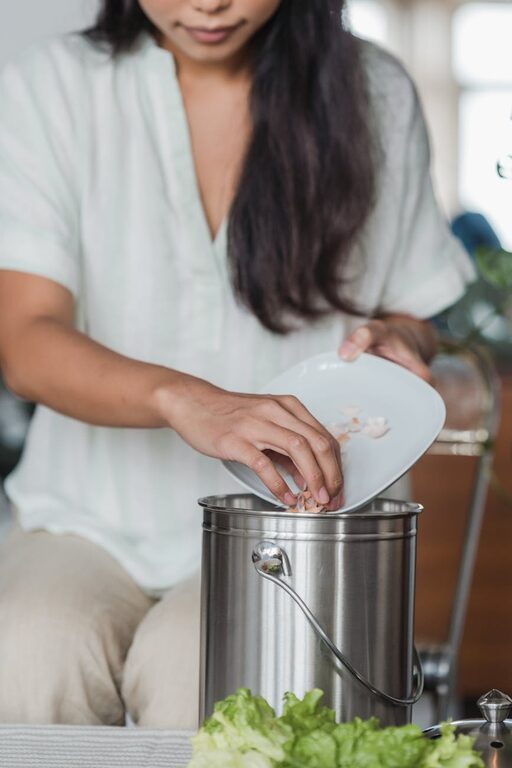
Reducing food waste at home is a smart way to save money, conserve resources, and protect the environment. Every year, millions of tons of edible food are thrown away worldwide, contributing to greenhouse gas emissions and unnecessary waste of water and energy. Fortunately, with a few practical changes in your daily routine, you can make a significant difference. This guide explores easy-to-follow tips that anyone can apply to limit food waste right in their own kitchen.
Why Reducing Food Waste Matters
Food waste impacts more than just your wallet. It also affects the planet by wasting the water, energy, and land used to produce food. When food ends up in landfills, it releases methane, a potent greenhouse gas. By reducing waste, you help conserve natural resources and reduce your carbon footprint. Plus, you’ll stretch your grocery budget further.
Plan Ahead with Smart Grocery Shopping
One of the most effective ways to reduce food waste is to buy only what you need. Planning meals and shopping with a list can prevent impulse purchases that often go unused.
– Make a meal plan: Decide what you’ll cook for the week and list all necessary ingredients.
– Use a shopping list: Stick to it when you shop to avoid buying items that won’t get eaten.
– Shop after meals: Shopping on a full stomach can reduce unnecessary purchases.
– Buy loose produce: Instead of pre-packaged, buy amounts that suit your needs.
Store Food Properly to Extend Freshness
How you store food greatly influences how long it stays fresh. Proper storage helps prevent spoilage and waste.
– Understand shelf life: Keep track of how long different foods last and use them accordingly.
– Use airtight containers: Store leftovers and fresh produce in sealed containers to preserve freshness.
– Keep fruits separate: Some fruits emit ethylene gas that accelerates ripening of other produce; separate sensitive foods.
– Label leftovers: Write dates on containers so you know when they were cooked.
Use Leftovers Creatively
Leftovers are often overlooked but can be transformed into delicious meals.
– Plan a leftover day: Dedicate a meal or two each week for using up leftovers.
– Get creative with recipes: Combine leftover vegetables, grains, and proteins into soups, stir-fries, or casseroles.
– Freeze extras: Freeze leftovers if you can’t consume them within a couple of days.
Practice Portion Control
Serving the right amount helps avoid plating more food than you can eat.
– Start with smaller portions: You can always go back for seconds.
– Listen to hunger cues: Eat slowly and stop when satisfied.
– Use smaller plates: This can help control portion sizes visually.
Use Food Scraps Wisely
Even food parts like peels and stems can be useful.
– Make vegetable broth: Collect vegetable scraps in a bag in your freezer to simmer into broth.
– Compost: If possible, compost food scraps to enrich garden soil.
– Repurpose scraps: Use citrus peels for zest or flavoring cleaning products.
Keep Track of Your Food Waste
Awareness is key to improvement.
– Monitor what you throw away: Keep a small notebook or use an app to note wasted food.
– Identify patterns: Figure out which foods you waste most and adjust buying habits.
– Set goals: Challenge yourself to reduce food waste week by week.
Teach and Involve the Whole Family
Reducing food waste can be a fun and educational activity for everyone.
– Discuss waste with children: Teach them about the importance of using food wisely.
– Get everyone involved: Let family members help with meal planning or composting.
– Celebrate progress: Recognize improvements together to keep motivation high.
Conclusion
Cutting down on food waste at home is easier than it seems and offers many rewards. From thoughtful shopping to creative use of leftovers and proper storage, small changes add up. Besides saving money, reducing food waste benefits the environment and promotes a more mindful lifestyle. Start incorporating these tips today and make your kitchen a model of sustainability.
By taking simple steps, you contribute to a bigger cause while enhancing your day-to-day life. Happy cooking and waste-free living!