
Practical Ways to Reduce Food Waste at Home
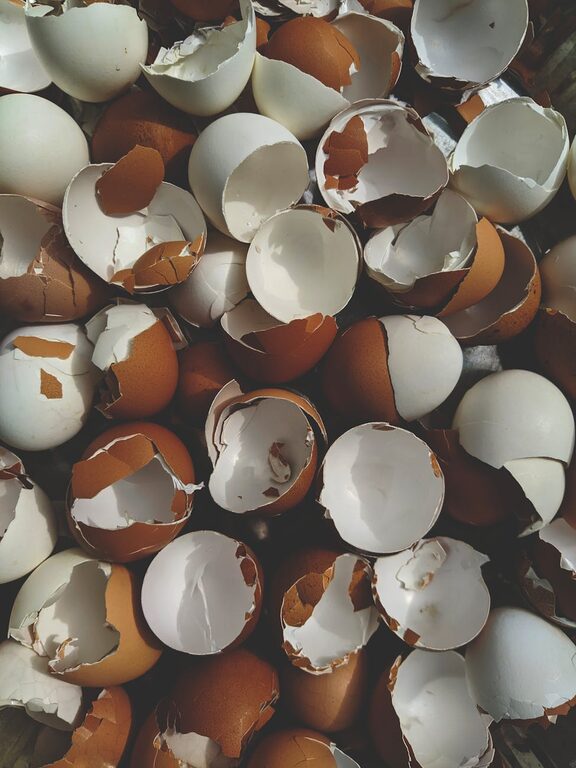
Reducing food waste at home is a great way to save money, minimize environmental impact, and make the most of the food you buy. Many households discard a significant amount of food each week, often due to poor planning or misunderstanding expiry dates. Fortunately, with some simple adjustments in how you shop, store, and use food, you can significantly cut down on waste. This blog post explores practical, easy-to-follow strategies to help you reduce food waste at home.
Why Reducing Food Waste Matters
Food waste contributes to unnecessary environmental strain. When food is discarded, all the resources used in producing, transporting, and storing that food—such as water, energy, and labour—are wasted as well. Additionally, decomposing food in landfills generates methane, a potent greenhouse gas. By reducing food waste, you not only save money but also take an active role in protecting the environment.
Smart Shopping Habits
Plan Your Meals Ahead
One of the most effective ways to reduce food waste is to plan your meals for the week before shopping. Creating a shopping list based on planned meals helps prevent impulse buys and over-purchasing.
– Check your pantry and fridge before shopping to avoid buying duplicates.
– Include perishable items you will use soon.
– Stick to your list when grocery shopping to minimize unnecessary purchases.
Buy Only What You Need
Try to purchase quantities that match your consumption. If you live alone or have a small family, buying in bulk may lead to excess food going bad before you can use it.
– Use smaller packaging or portion-controlled items when possible.
– For fresh produce, consider local markets where you can buy loose fruits and vegetables rather than pre-packaged amounts.
Proper Storage Techniques
Understand Food Storage Guidelines
Storing food correctly can extend its shelf life and maintain quality.
– Keep fruits and vegetables in appropriate conditions; some do better in the fridge, while others last longer at room temperature.
– Store bread in a cool, dry place or freeze it if you don’t plan to eat it immediately.
– Use airtight containers to protect leftovers and opened food packets from air and moisture.
Label Your Food
Use labels or date markers on leftovers and opened packages to track freshness easily. Knowing when food was stored can help you prioritize what to consume first and reduce accidental spoilage.
Practice Portion Control
Preparing the right portion sizes reduces the likelihood of uneaten food ending up in the trash.
– Serve smaller portions and allow seconds if still desired.
– Use measuring cups or scales when cooking to ensure ingredient amounts are accurate.
– Save leftovers for meals later in the week instead of cooking large quantities each time.
Creative Use of Leftovers
Leftovers don’t have to be boring or wasteful. With a bit of creativity, you can transform them into delicious new dishes.
Tips for Leftover Meals
– Turn cooked vegetables into soups or stews.
– Use stale bread for breadcrumbs or croutons.
– Blend overripe fruits into smoothies or bake them in muffins.
– Combine leftover rice or pasta with fresh ingredients for quick stir-fries or salads.
Consider keeping a dedicated container in your fridge for leftover ingredients to remind you to use them promptly.
Composting Food Scraps
Even with the best efforts, some food scraps like peels, cores, and coffee grounds are unavoidable. Composting is an environmentally friendly way to recycle these scraps into nutrient-rich soil.
– Set up a compost bin or pile in your backyard or use a kitchen compost container.
– Avoid composting meat, dairy, or oily foods in home composts as they can attract pests.
– Use the finished compost to enrich your garden or potted plants.
Regularly Check Expiry Dates
Keep an eye on the expiration and “best by” dates on your food products.
– Organize your pantry so that older items are placed in front or on top to be used first.
– Understand that “best by” often indicates quality, not safety. Many foods are still safe to consume after this date if properly stored.
Donate Excess Food
If you often find yourself with unopened, non-perishable food items you won’t use, consider donating them to local food banks or community organizations.
– Check what items are accepted and ensure they are safe and in good condition.
– This helps support those in need while diverting food from landfills.
Final Thoughts
Reducing food waste at home is achievable with thoughtful planning and habits. By shopping smartly, storing food properly, managing portions, and using leftovers creatively, you can minimize waste while enjoying delicious meals. Composting and donating also contribute positively to your community and environment. Start applying these simple tips today and experience the benefits of a more sustainable and budget-friendly kitchen.
—
Implementing just a few of these strategies can make a noticeable difference over time. Remember, every small action counts toward reducing food waste!
Related Post

Beginner Guide to Journaling Every Day: Tips and Benefits
Discover easy ways to start daily journaling and how it can boost your well-being, creativity, [...]